-
 Continue reading →: Explanations of Absence
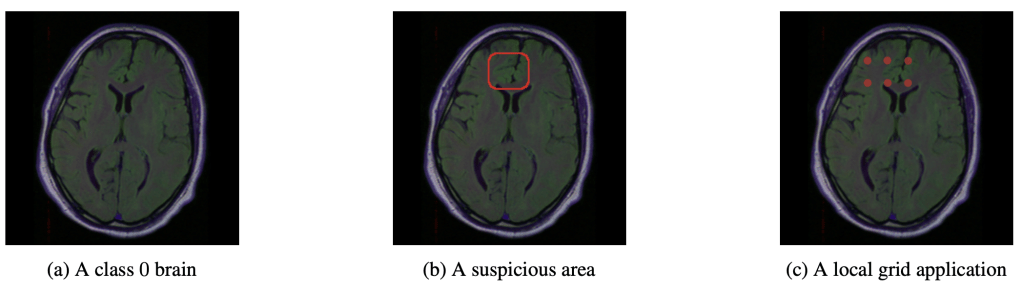
Explainable AI is any process in which we try to identify which features a model used in making a particular prediction. But what happens when we want to explain something that is defined by the absence of features? A model may learn that certain pixel characteristics are associated with a…
-
 Continue reading →: The Computational Nurse
AI is coming to healthcare. Probably not nearly as quickly as the hype cycle suggests, but it will come. Doctors are already preparing for this transition by training in AI and collaborating with AI researchers to deploy and assess clinical AI projects. This will slowly start to change how healthcare…
-
 Continue reading →: Where is Medical AI?
In 2016 Geoffrey Hinton made a now infamous prediction about AI being good enough to make radiologists redundant. If you work as a radiologist, you are like Wile E. Coyote in the cartoon. You’re already over the edge of the cliff, but you haven’t yet looked down. There’s no ground…
-
 Continue reading →: The Future-AI: medical guidelines for AI
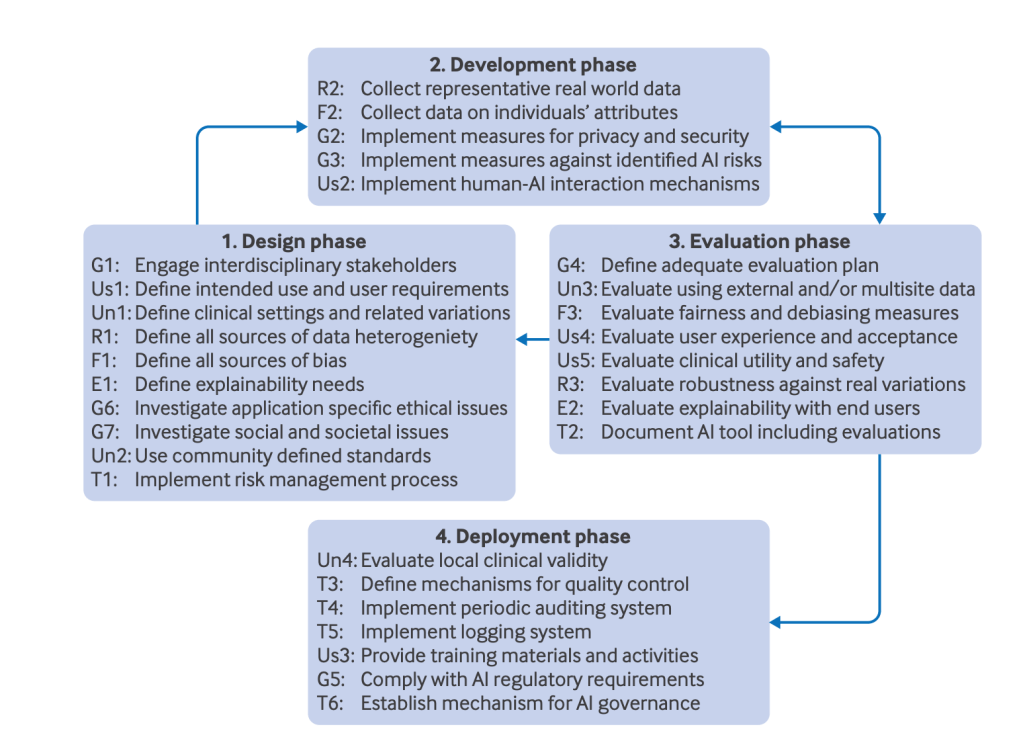
In a recent BMJ article, an international team of academics and clinicians have scoured the machine learning literature and spent two years debating the intricacies of developing and deploying machine learning. I’m generally pretty cautious about such guidelines; not that they aren’t useful, but that they’re so useful that everyone…
-
 Continue reading →: What is Explainable AI for Biomedical applications?
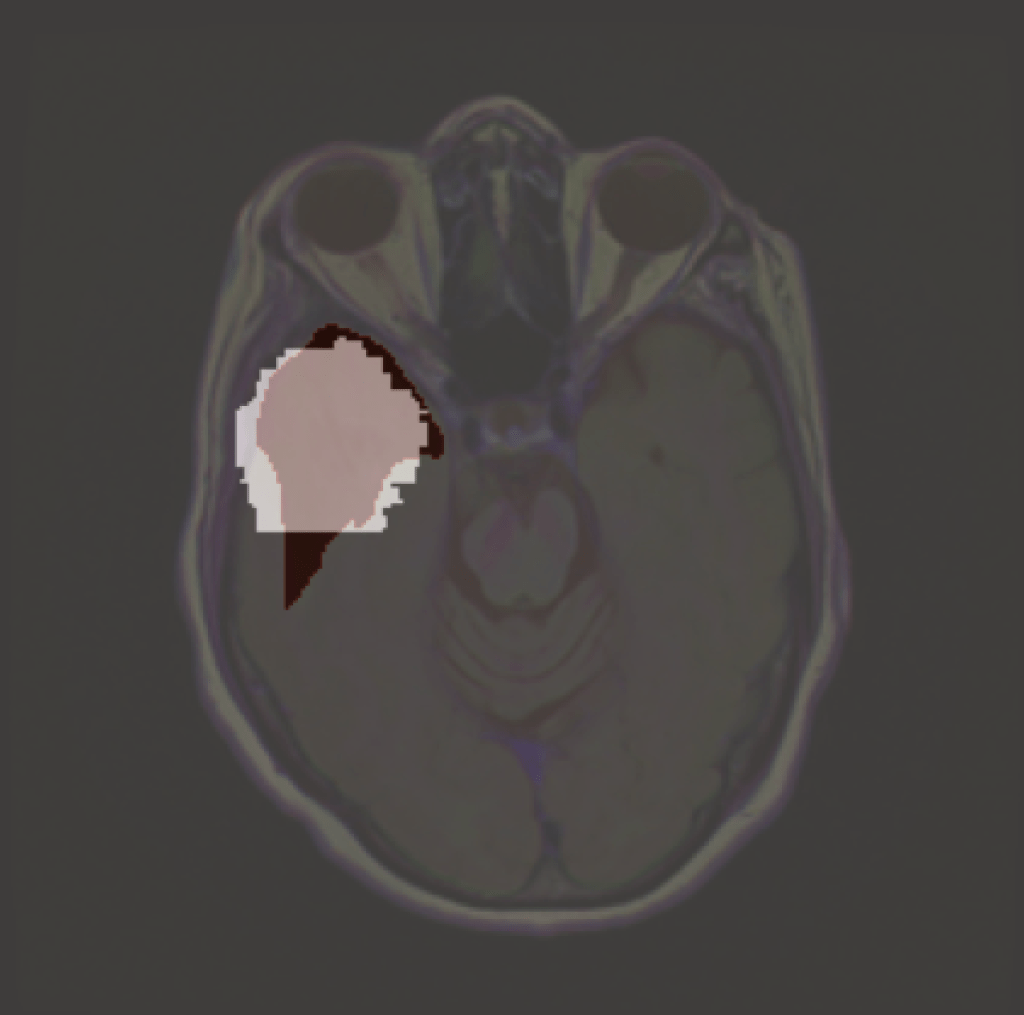
Aside from the current hype cycle of large language models, there are many AI applications on the verge of clinical utility which could change healthcare workflows. However, most of these models have large neural networks as the backbone of their architecture, which are notorious for being inscrutable: it is not…
-
 Continue reading →: Large Language Models in Medicine
Large language models are seemingly everywhere, including the medical literature. They are either poor medical coders or a panacea for medical practice depending on, perhaps, whether you are regulating them or selling them. Their use has been explored in several clinical settings including generating and extracting information from medical reports,…
-
 Continue reading →: The Lady of the Lamp: shining a light upon data
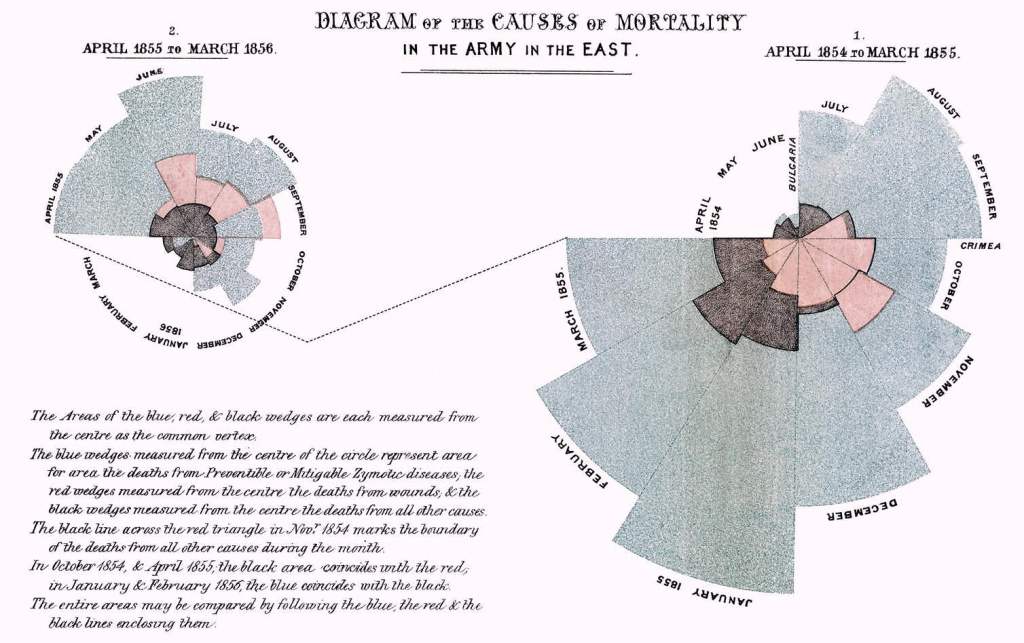
There exists a long standing tradition between nursing and statistics which has all but been forgotten. During my training to be a nurse, Florence Nightingale was barely mentioned. It was only when I started studying statistics, reading a book on the ‘great statisticians’, that I discovered her deep connection to…
-
 Continue reading →: The generalisation gap in medicine: why ‘good’ models don’t work in the clinical setting
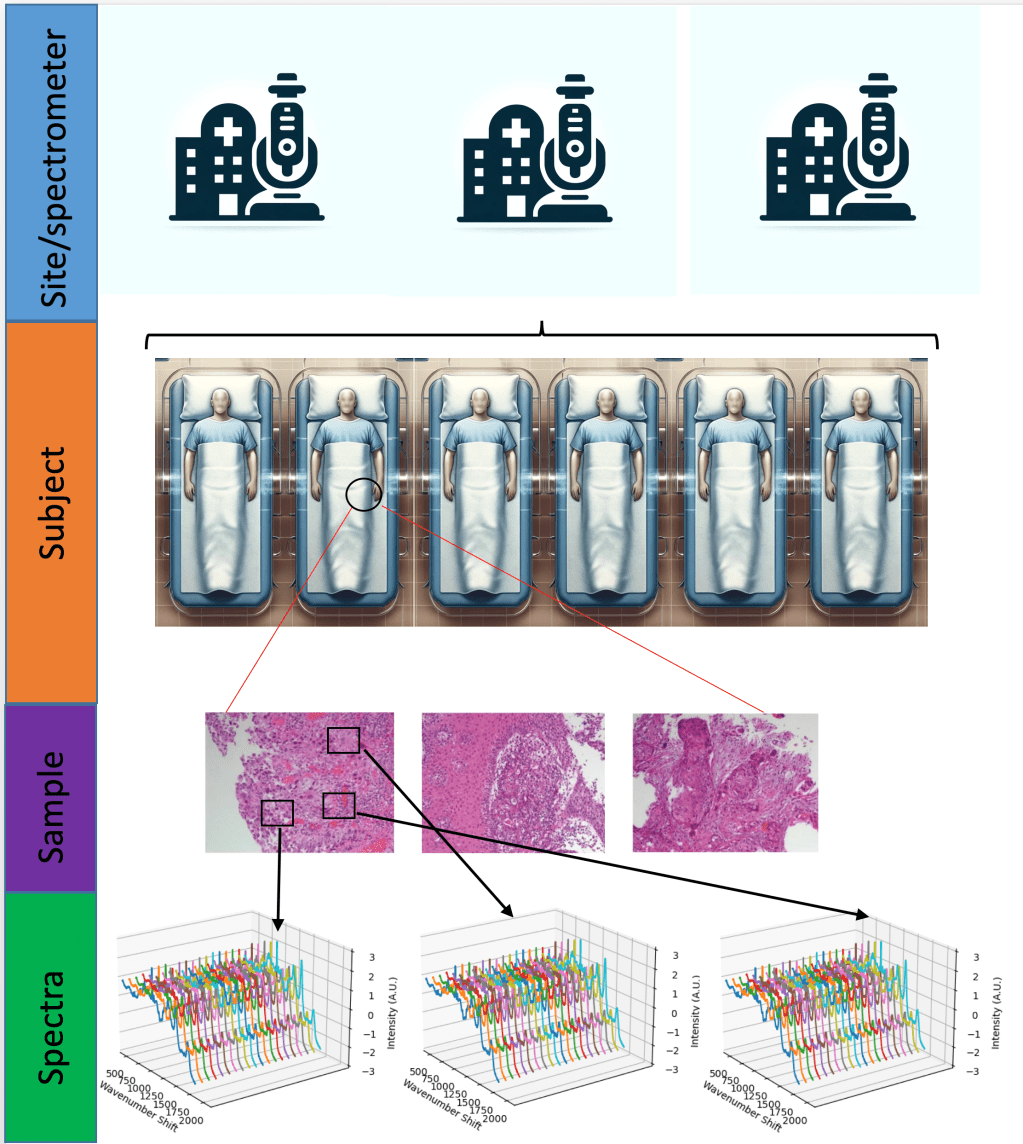
We frequently hear in the news of the amazing breakthroughs that are happening in the field of AI and medical imaging. The headlines are no less hyperbolic in the medical literature, to the point that a ‘reproducibility crisis‘ is discussed in various papers and editorials in the scientific literature. I…
-
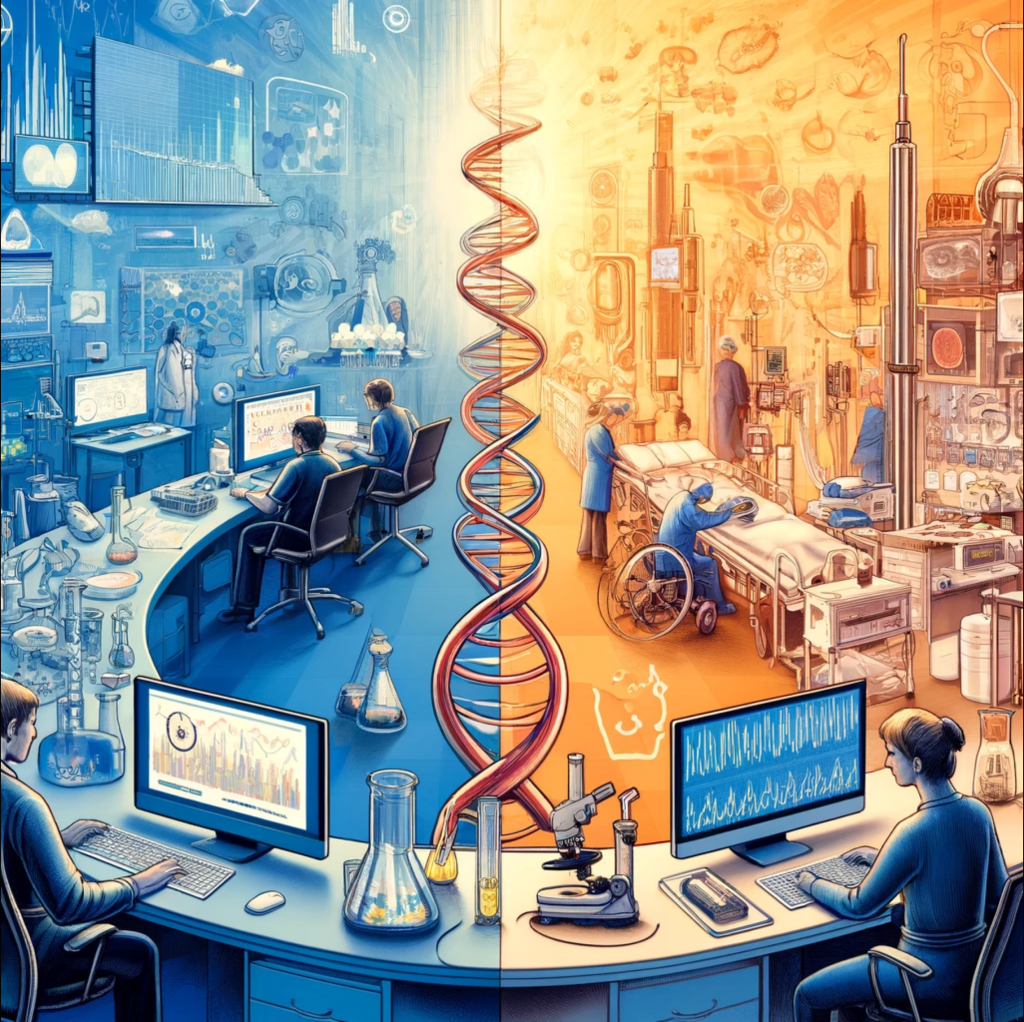 Continue reading →: What is Computational Medicine?
As this platform is given to the exploration computational medicine, a reasonable first question is just what is it? One way to approach this is to understood it in the wider context of computational modelling in the sciences that has been gaining traction as computers become ever more ubiquitous and…
Exploring
the world of
Computational Medicine
Hello

Welcome to my website, where we explore the world of computational medicine and how it sits within the broader context of science and AI.
I’ll also be showcasing some of my research in the field, discussing topics relevant to my roots in nursing and how medicine and AI are represented in literature.
The images on this site are either from my research or created by AI. I’ll never use AI for the writing.
 Nathan Blake